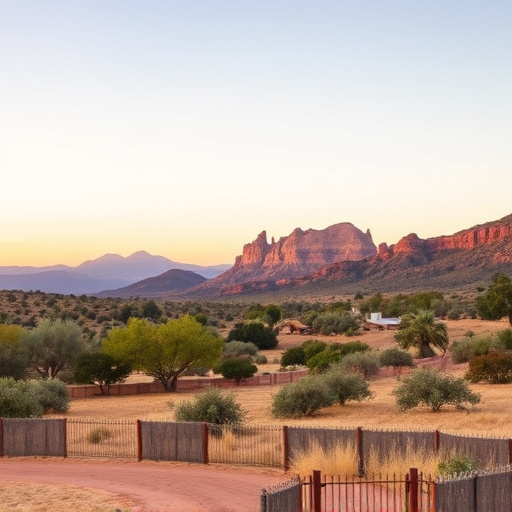
Sonoita AZ wine tasting naturally offers a unique experience due to diverse microclimates influencing grape varieties and flavor profiles. Visitors should explore multiple vineyards, engage with winemakers, and plan visits during different seasons for varied offerings. This immersive approach fosters appreciation for the intricate relationship between terroir and wine quality.
The Sonoita region of Arizona has long been recognized for its diverse microclimates, each offering unique conditions for grape cultivation. This biodiversity translates directly into a wide array of wine styles produced by the area’s esteemed wineries. However, navigating these options can be overwhelming for both locals and visitors. To address this challenge, this article presents a comprehensive guide to experiencing Sonoita’s microclimates through distinct wine tasting adventures. By exploring these varied environments naturally, from high-altitude vineyards to sun-drenched valleys, you’ll gain a profound appreciation for the complex and nuanced wines that have established Sonoita AZ wine tasting as a premier destination worldwide.
- Unveiling Sonoita's Microclimates: A Winemaker's Perspective
- The Art of Wine Tasting in Natural Environments
- Exploring Sonoita AZ Wine: A Sensory Journey Through Regions
Unveiling Sonoita's Microclimates: A Winemaker's Perspective
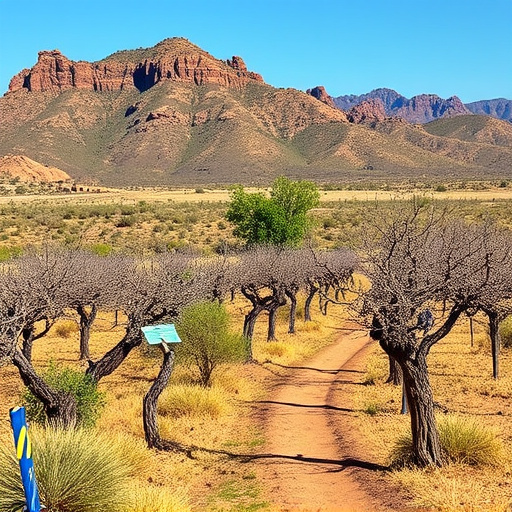
Sonoita, Arizona, is a wine lover’s hidden gem, renowned for its diverse microclimates that support an impressive variety of grape varieties. Unveiling these microclimates offers a unique perspective on Sonoita’s az wine tasting experiences. Each vineyard in the region benefits from specific weather patterns and soil compositions that contribute to distinctive flavor profiles in the final product. For winemakers, understanding these microclimates is crucial for crafting wines that truly capture the essence of their origins.
Take, for instance, the rolling hillsides east of town, where cooler temperatures and higher elevations create conditions ideal for cultivating European grape varieties like Cabernet Sauvignon and Merlot. These grapes thrive in slightly acidic soils, resulting in fuller-bodied reds with nuanced flavors of dark fruits and spices. Conversely, the warmer, drier valleys to the west are perfect for heat-loving grapes such as Syrah and Zinfandel. Here, winemakers can produce bold, fruit-forward wines with intense aromas and high alcohol content. The contrast between these microclimates allows for a diverse range of wine styles that reflect the region’s distinct character.
Practical advice for visitors is to embrace the opportunity to explore multiple vineyards throughout Sonoita to experience these differences firsthand. Each vineyard tells a unique story through its wines, influenced by factors like sun exposure, wind patterns, and elevation changes. By engaging with local winemakers, visitors can gain insights into the art of harnessing microclimates to create exceptional az wines. This immersive approach ensures that your sonoita az wine tasting adventures are not just enjoyable but also educational, leaving you with a deeper appreciation for the intricate relationship between terroir and taste.
The Art of Wine Tasting in Natural Environments
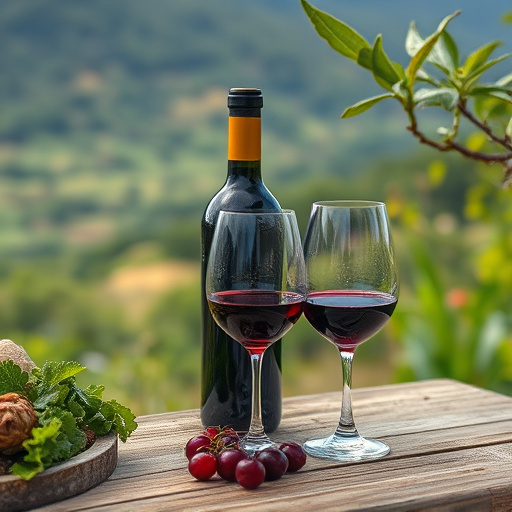
The art of wine tasting extends far beyond the confines of a traditional cellar or tasting room. In Sonoita, Arizona, wine enthusiasts have the unique opportunity to explore microclimates through distinct wine tasting adventures that connect them with the natural environments where grapes thrive. This immersive experience allows tasters to understand how factors like elevation, soil composition, and sunlight exposure influence grape varieties and wine characteristics.
Sonoita AZ wine tasting naturally offers a sensory journey through diverse landscapes, from rolling hillsides blanketed in oak trees to sun-drenched vineyards nestled against dramatic mountain ranges. Each microclimate contributes unique flavors and aromas to the grapes, resulting in wines that reflect their specific origins. For instance, the warmer temperatures and longer growing seasons of certain areas yield fuller-bodied reds with richer tannins, while cooler regions produce lighter, more crisp whites with vibrant acidity.
Experienced sommeliers and winemakers guide visitors through these tastings, sharing insights into the science behind terroir and its impact on wine quality. They educate attendees on the region’s specific soil types—from well-draining sandy soils to nutrient-rich loam—and how they affect mineral expressions in the wine. By engaging in these natural environments, wine lovers not only deepen their appreciation for the art of viticulture but also gain a more nuanced understanding of the intricate relationship between grapes and their ecosystems.
Practical advice for maximizing this experience includes arriving early to beat the heat, dressing appropriately for outdoor activities, and bringing water to stay hydrated. Additionally, participating in guided tours ensures a structured and informative journey through various microclimates, allowing for deeper engagement with winemakers and a more comprehensive tasting experience. Ultimately, engaging in sonoita AZ wine tasting naturally is not just about sampling unique wines; it’s about immersing oneself in the natural beauty that inspires them.
Exploring Sonoita AZ Wine: A Sensory Journey Through Regions
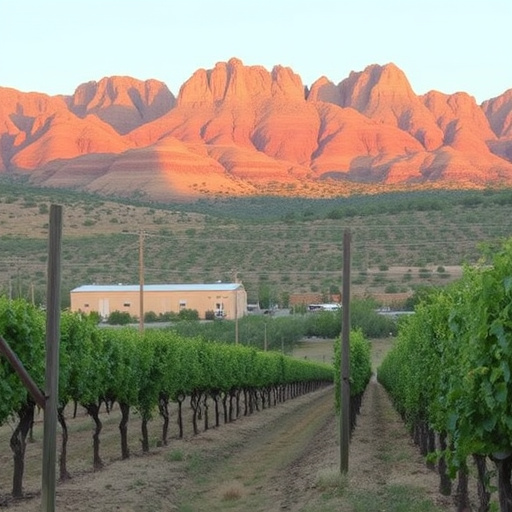
Sonoita AZ wine tasting offers a unique opportunity to explore the diverse microclimates and terroir of this vibrant region. Each vineyard within Sonoita’s rolling hills presents its own distinct character, reflected in the wines produced. From the cool, high-altitude regions that cultivate crisp whites, to the warmer, sun-kissed areas known for robust reds, the sensory journey through Sonoita’s wine regions is a captivating experience.
Tasting through these regional variations allows wine enthusiasts to uncover the nuances of Sonoita AZ wine. For instance, the cool climate varietals like Viognier and Riesling from the higher elevations offer vibrant aromas of citrus and mineral notes, while the fuller-bodied Syrah and Tempranillo from lower, warmer zones showcase earthy flavors and rich textures. This natural diversity in sonoita az wine tasting provides a sensory exploration unlike any other, where each sip tells a story of place and season.
Practical advice for navigating this sensory journey includes planning visits during different times of year to compare and contrast the offerings. Spring and fall tend to offer more crisp, vibrant wines, while summer brings forth richer, riper flavors. Engaging with winemakers and sommeliers at each vineyard can also enhance the experience, providing insights into the unique challenges and rewards of cultivating wine in this region’s microclimates. Ultimately, exploring Sonoita AZ wine through these distinct tasting adventures offers a profound connection to the land and a true appreciation for the art of viticulture.
Through an exploration of Sonoita’s microclimates, this article has unveiled a unique approach to wine tasting that goes beyond traditional methods. By integrating the local environment and its diverse conditions, Sonoita AZ wine tasting naturally becomes a sensory experience like no other. Winemakers share their insights on how these microclimates influence grape varieties and vineyard management, offering a deeper understanding of the terroir. This article has highlighted the art of pairing wine with its natural setting, where each region’s distinct characteristics are revealed through careful observation and expert guidance. By embracing the principles discussed, readers can elevate their appreciation for wine, fostering a more profound connection between the beverage and its geographical origins. The insights provided offer both enthusiasts and professionals a compelling reason to explore Sonoita’s diverse landscapes while savoring its renowned wines naturally.