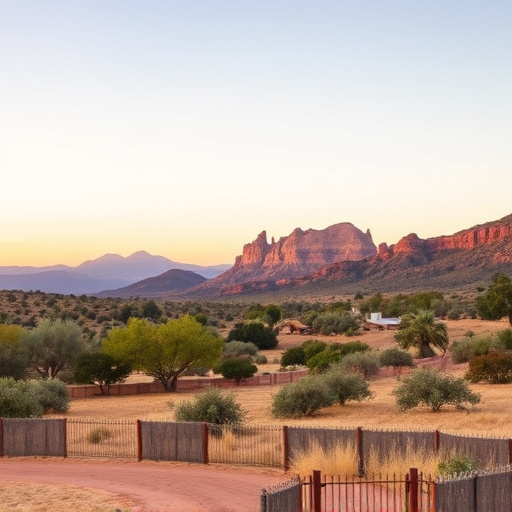
Sonoita AZ wine tasting naturally offers a unique experience due to its diverse microclimates and terroirs. Varying elevations and terrains create distinct weather pockets, influencing grape varieties and wine styles from crisp whites to robust reds. Key activities include terroir discussions, vertical tastings, guided tours exploring microclimates, and seasonal visits for optimal experiences. Local winemakers share traditional practices and cultural heritage, enhancing the sensory journey.
The diverse microclimates of Sonoita, Arizona, offer a unique opportunity for wine enthusiasts to explore an array of distinct wine tasting experiences. With its varied terrain and sun exposure, this region produces wines that range from robust reds to crisp whites, each reflecting the specific characteristics of their growing conditions. However, navigating these diverse offerings can be overwhelming for visitors. This article provides an authoritative guide to Sonoita AZ wine tasting, helping you unlock the secrets of this vibrant wine country and ensuring a genuinely enriching experience.
- Discovering Sonoita's Unique Wine Terroirs
- Exploring Microclimates: A Taster's Journey
- The Art of Sonoita AZ Wine Selection
- Unlocking Flavors: Climate's Role in Winemaking
- Immerse Yourself in Local Wine Traditions
Discovering Sonoita's Unique Wine Terroirs
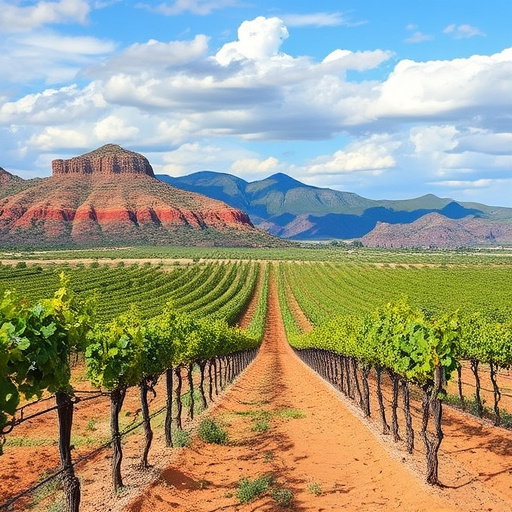
Sonoita, Arizona, is a wine lover’s paradise known for its diverse microclimates and unique wine terroirs. Exploring these through tailored wine tasting adventures offers an in-depth understanding of how different environmental factors shape the flavors and characteristics of local wines. The region’s varying elevations, soil types, and weather patterns contribute to a spectrum of grape varieties and styles that can’t be experienced anywhere else.
Sonoita’s north-south orientation exposes it to distinct sun and wind patterns, with cooler temperatures in higher elevations and warmer, drier conditions closer to the valley floor. These variations translate into a range of wine styles, from crisp, fruity whites to robust reds with rich, complex flavors. For instance, the cooler slopes around Sonoita produce excellent Viognier and Gewürztraminer grapes known for their aromatic profiles and high acidity. Conversely, warmer areas favor fuller-bodied varieties like Syrah and Tempranillo, showcasing the region’s ability to cultivate a diverse array of grape types naturally.
When engaging in sonoita az wine tasting, pay close attention to the terroir conversations at each winery. Experts often discuss soil composition, drainage, and other factors that influence grape development. Some wineries may offer vertical tastings comparing different vintages from the same vineyard, highlighting how annual variations impact the final product. For a truly immersive experience, consider joining guided tours that delve into the specific terroirs of various vineyards. These tours provide valuable insights into the unique challenges and opportunities presented by Sonoita’s microclimates, enabling you to appreciate the art and science behind its world-class wines.
Exploring Microclimates: A Taster's Journey
The Sonoitas region of Arizona is a wine lover’s paradise, offering a unique opportunity to explore microclimates through its diverse wine tasting experiences. This area boasts distinct microclimates, each with its own set of weather patterns, sun exposure, and soil composition, which dramatically influence grape growth and ultimately the flavor profiles of the resulting wines. A taster’s journey through Sonoitas AZ wine tasting naturally becomes an adventure in discovery, where each vineyard tells a story of its unique environment.
To truly appreciate the microclimates, visitors should consider engaging with local winemakers who have dedicated their lives to understanding these nuances. These experts can provide insights into how factors like elevation, aspect, and nearby water bodies create pockets of distinct weather within the broader region. For instance, higher elevations tend to experience cooler temperatures and more sun, while lower areas may have warmer, more humid conditions. This natural diversity translates directly into a wide range of grape varieties and wine styles that visitors can enjoy.
Practical advice for exploring these microclimates involves planning your visits according to the growing season. Spring brings a burst of new life as grapes bud, while summer offers a chance to taste the fruits of the vine at their peak ripeness. Fall sees the harvest, a time when the true character of each vineyard shines through in the wines. Winter, though quieter, provides an opportunity to learn about the resilience of grapevines and the art of winemaking during colder months. By partaking in these seasonal experiences, wine enthusiasts can develop a deeper connection with Sonoitas’ terroir, gaining a well-rounded understanding of its unique microclimates.
The Art of Sonoita AZ Wine Selection
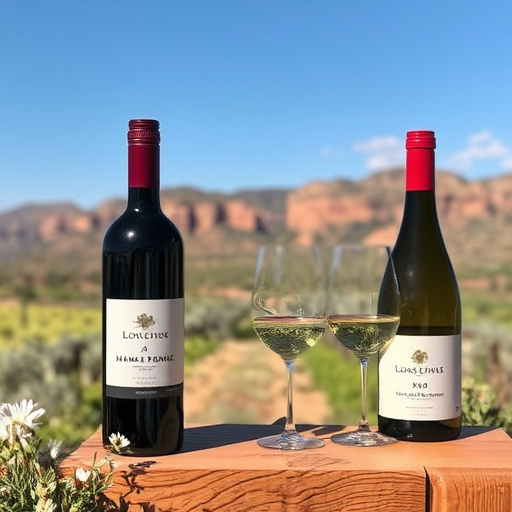
Sonoita AZ wine tasting offers a unique opportunity to explore microclimates and discover a diverse range of wines. The art of selecting Sonoita AZ wines lies in understanding the region’s distinct terroir, which varies significantly across its relatively small area. This variation allows for a rich variety of grape varieties to thrive, contributing to an extensive selection that caters to diverse palates. For instance, the hillsides and valleys of Sonoita showcase different sun exposure levels and soil compositions, resulting in wines that exhibit notable differences in flavor profiles and tannins.
Expert sommeliers recommend engaging in sonoita az wine tasting adventures to truly appreciate these nuances. The process involves not just sipping but also observing the wine’s color, aroma, and texture—all cues that reveal its origin story. For example, a visit to one of the region’s many family-owned vineyards might yield a crisp, bright white from the cooler slopes, contrasting with a full-bodied red from warmer, drier terrain nearby. Such experiences not only educate but also connect wine enthusiasts to the land and the craft behind each bottle.
Practical advice for maximizing your sonoita az wine tasting journey includes planning visits during optimal seasons, when grapes are at their peak ripeness. Spring offers cooler temperatures ideal for lighter varieties, while fall attracts visitors with vibrant colors and robust reds ready for harvest. Moreover, engaging with vintners directly provides insights into their unique approaches and vineyard management practices. Many Sonoita winemakers embrace organic and sustainable methods, which can enhance the wine’s quality and your overall experience.
Unlocking Flavors: Climate's Role in Winemaking
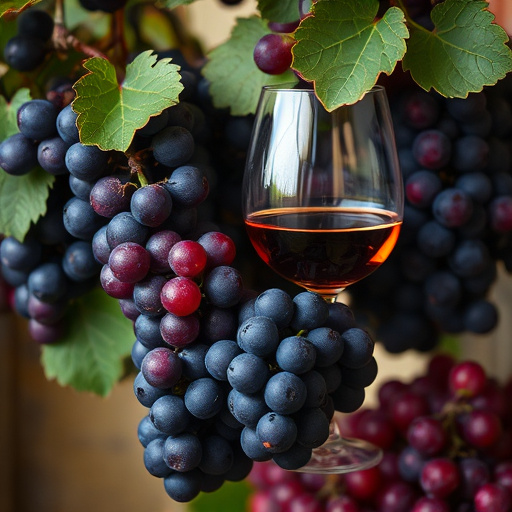
The unique microclimates of Sonoita, Arizona, offer a fascinating journey for wine enthusiasts seeking to unravel the intricate relationship between climate and winemaking. This region’s diverse weather patterns translate directly into distinct flavor profiles in its renowned wines. A sonoita az wine tasting naturally becomes an educational experience, revealing how each vineyard’s microclimate influences grape ripening, acid levels, and sugar content, ultimately shaping the final taste.
For instance, vineyards nestled in shaded canyons benefit from cooler temperatures, resulting in slower ripening and preserving natural acidity. This contributes to crisp white wines known for their vibrant citrus notes. Conversely, sunny slopes expose grapes to warmer days and cooler nights, enhancing sugar development while maintaining balanced acids, leading to fuller-bodied reds with rich fruit flavors. Expert winemakers in the region leverage these variations, creating wines that reflect the unique character of specific microclimates.
Climate data from Sonoita shows consistent temperature differentials across the region, with variations often exceeding 20 degrees Fahrenheit between adjacent vineyards. This natural diversity allows for a remarkable range of wine styles, from crisp and refreshing to robust and complex. When visiting, wine lovers can engage in conversations with local experts who can guide them through these flavors, offering insights into how each glass encapsulates the essence of its specific microclimate. Such interactions enrich the sensory experience, transforming a simple taste into an appreciation of the science and art behind Sonoita’s exceptional wines.
Immerse Yourself in Local Wine Traditions
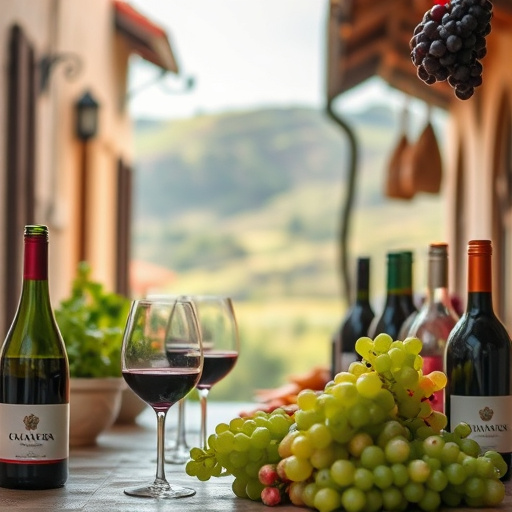
Sonoita, Arizona, is renowned for its diverse microclimates, each offering a unique wine-tasting experience. Immerse yourself in the local wine traditions by exploring these distinct regions, where ancient landscapes meet modern vineyards. The valley’s varying elevations and terrain create natural variations in temperature and sunlight exposure, resulting in an array of grape varieties and wine styles. This diversity is a winemaker’s dream, providing an opportunity to discover Arizona’s hidden gems.
When engaging in Sonoita AZ wine tasting, visitors can expect to sample wines that reflect the terroir, or the unique combination of soil, climate, and geography, of each microclimate. For instance, the cooler hillsides near the border with Mexico favor the growth of Spanish grape varieties like Tempranillo and Grenache, while warmer, drier areas closer to the desert support robust reds such as Syrah and Zinfandel. This natural segmentation allows wine enthusiasts to embark on a sensory journey, appreciating the subtle nuances that make each vineyard and vintage unique.
Local wineries often host tastings that showcase their commitment to preserving and promoting traditional wine-making practices. You might find yourself chatting with passionate winemakers who have dedicated their lives to understanding and honoring the land. They will share insights on how the region’s history, including its Native American and Mexican influences, has shaped the current viticultural landscape. These interactions provide a deeper connection to the area’s rich cultural heritage and its enduring impact on the vibrant wine scene that has blossomed here naturally.
By exploring Sonoita AZ wine tasting experiences, one gains a profound understanding of how microclimates shape the distinct terroirs of this region. From discovering unique wine flavors to immersing oneself in local traditions, these journeys offer invaluable insights into the art of winemaking. The key takeaway is that each microclimate contributes uniquely to the character and quality of Sonoita’s wines, making every tasting adventure a personalized exploration of climate, terrain, and tradition. For those passionate about viticulture or seeking authentic experiences, engaging in sonoita az wine tasting naturally becomes not just a sensory delight but an educational journey that deepens one’s appreciation for both the terroir and the cultural heritage it nurtures.