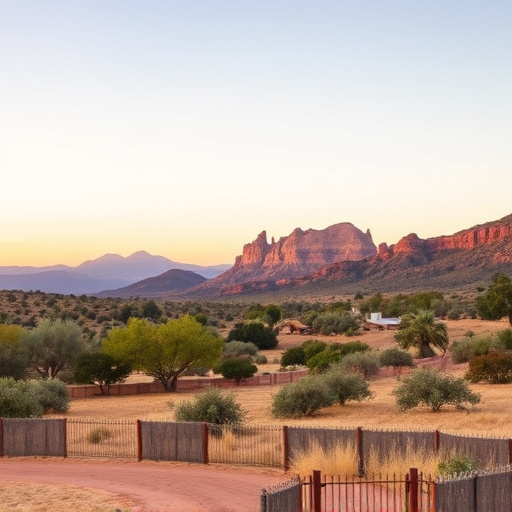
Sonoita, Arizona, offers a unique wine experience through its diverse terroir shaped by geography, climate, and soil. Local guides highlight microclimates and elevations that favor varied grape varieties, from cool-night-acidity Viognier to warmer-day fuller-bodied reds. Soil types impact flavors, with sandy drainage yielding higher alcohol content and richer loams promoting intense notes. Sonoita AZ wine tasting naturally reveals these nuances through expert insights, historical context, and sensory experiences, fostering a deep connection to the region's distinctive character and quality wines.
The unique terroir of Sonoita, Arizona, represents a hidden gem in the world of wine. With its distinct climate, soil composition, and elevation, this region produces wines with characteristically rich flavors and aromas that set them apart. However, navigating the local wine scene can be daunting for newcomers. This article delves into the art of understanding Sonoita terroir through the expertise of local wine guides, offering valuable insights to enhance your next wine tasting experience in this enchanting Arizona destination.
- Unlocking Sonoita's Terroir: Expert Insights
- Understanding Wine Regions: Sonoita's Unique Characteristics
- The History of Sonoita Az Wine Tasting
- Exploring Local Vineyards and Their Impact
- Terroir's Role in Shaping Wine Flavors
- A Guide to Choosing the Best Wines from Sonoita
Unlocking Sonoita's Terroir: Expert Insights
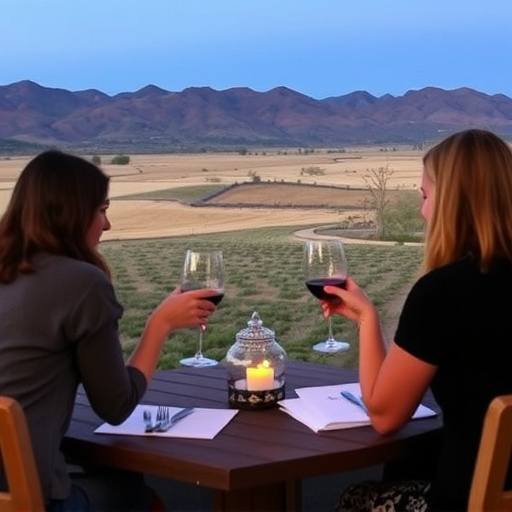
Sonoita’s terroir is a complex interplay of geography, climate, and soil that has garnered significant attention from wine enthusiasts and experts alike. To truly understand its unique character, one must delve into the intricate details that shape this vibrant wine-producing region. Local wine guides offer invaluable insights, highlighting how Sonoita’s microclimates and diverse elevations create distinct terroirs suitable for a variety of grape varieties. For instance, the higher elevations experience cooler nights, slowing ripening and preserving acidity in grapes like Viognier and Roussanne, while lower areas bask in warmer days, favoring fuller-bodied reds such as Syrah and Tempranillo.
Expert guides emphasize the region’s diverse soil types, ranging from well-draining sandy soils to richer, deeper loams. These variations directly influence grape development, contributing to the nuanced flavors and aromas in Sonoita’s wines. A visit to local wineries during a sonoita az wine tasting naturally reveals these terroir differences firsthand. Tasting through different vintages and varietals allows one to appreciate how each vineyard’s unique terroir expresses itself in the final product.
Practical advice from guides suggests exploring specific sub-avenuas within Sonoita for truly representative samples. The region’s microclimates can vary significantly over short distances, offering narrow windows for optimal wine tasting experiences. Engaging with knowledgeable sommeliers or tour guides ensures a deeper understanding of each vineyard’s story and how it reflects its terroir. Ultimately, unlocking Sonoita’s terroir is an immersive journey that connects visitors to the very soul of this remarkable wine-producing region.
Understanding Wine Regions: Sonoita's Unique Characteristics
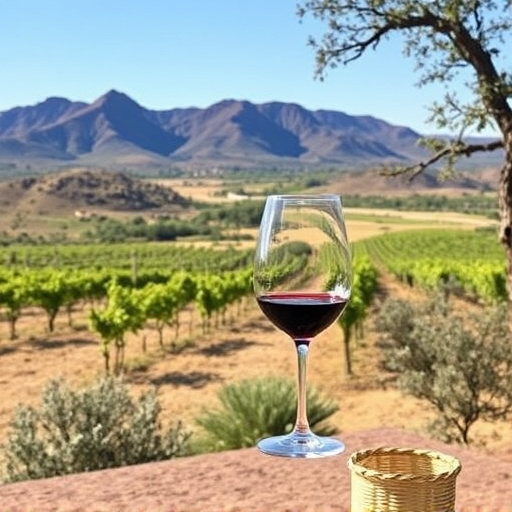
The Sonoita terroir, a term that whispers of distinct character and quality in Arizona wine country, is a subject of fascination for both seasoned oenophiles and curious newcomers. This region, nestled amidst the Sonoran Desert, offers a unique blend of geography, climate, and soil types that contribute to its remarkable viticultural identity. Unlike other wine-producing areas, Sonoita’s terroir isn’t defined by lush valleys or coastal breezes; instead, it thrives on the desert’s unyielding sun, scorching heat, and remarkably diverse mineral-rich soils. These conditions foster a wide range of grape varieties that have found their niche in this challenging yet rewarding environment.
One of the key characteristics of Sonoita az wine tasting is the diversity of grapes grown, a testament to the adaptability and resilience of local winemakers. The region supports both traditional European varietals like Cabernet Sauvignon, Merlot, and Chardonnay, as well as more desert-adapted grapes such as Tempranillo, Syrah, and Viognier. This mix not only broadens the palate for visitors but also showcases the innovative spirit of Sonoita’s wine community. For instance, the high elevation (averaging around 4,000 feet) and intense sunlight contribute to concentrated flavors and higher acidity in red wines, while white varieties often exhibit a delightful balance between fruitiness and mineral notes due to the region’s unique soil composition.
Local experts emphasize that understanding Sonoita’s terroir involves more than just recognizing the grapes grown; it encompasses the entire viticultural process. From carefully timed irrigation to precise harvest techniques, winemakers in this region work closely with nature rather than attempting to subdue it. This approach results in wines that bear the distinct mark of their origin, offering a sensory journey through the desert’s unbridled passion and intensity. Visiting Sonoita for wine tasting allows enthusiasts to explore these nuances, engaging directly with the land and its liquid expression—a truly immersive experience that goes beyond mere consumption.
The History of Sonoita Az Wine Tasting
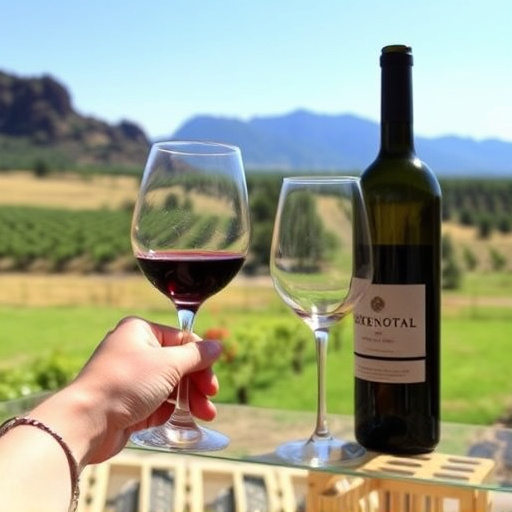
The history of Sonoita Az wine tasting is deeply intertwined with the region’s unique terroir and a passion for viticulture that has evolved over centuries. The story begins in the late 19th century when early settlers, captivated by the area’s diverse microclimates and fertile soils, started experimenting with grapevines. These pioneers, drawn to the potential of Sonoita’s landscape, laid the groundwork for what would become a thriving wine culture. Over time, as word spread about the region’s exceptional grapes, winemakers from across the country began to take notice, establishing their roots in this Arizona oasis.
By the mid-20th century, Sonoita had emerged as a prominent player on the American wine scene, renowned for its distinct varietals and robust flavors. Local guides, schooled in the nuances of the land and its effects on grapes, became indispensable resources for visitors eager to uncover the secrets behind each bottle. These experts guided curious palates through the intricate world of Sonoita Az wine tasting, sharing stories of the region’s history while highlighting the unique characteristics that set each vintage apart. Today, this tradition continues as tourists flock to participate in sonoita az wine tastings, seeking not just a taste but an immersive experience that connects them to the rich heritage of Arizona viticulture.
The evolution of sonoita az wine tasting reflects the area’s commitment to preserving its agricultural legacy while embracing innovation. Local wineries have adopted both traditional and modern techniques, allowing them to produce wines that capture the essence of Sonoita’s terroir in every sip. Whether exploring the historic cellars or enjoying tastings at contemporary estates, visitors can expect a journey through time, where each vintage tells a story of resilience, craftsmanship, and the enduring spirit of Arizona wine country.
Exploring Local Vineyards and Their Impact
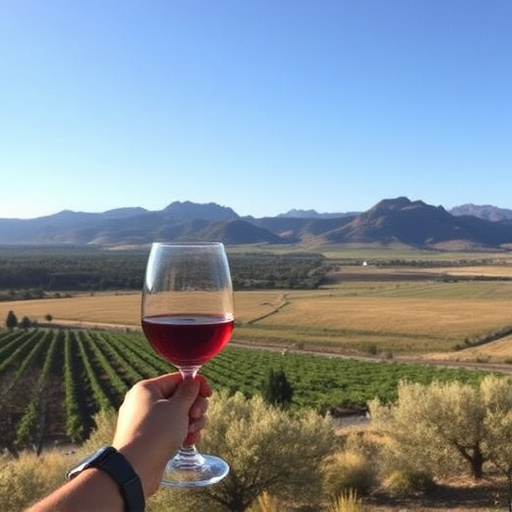
Sonoita, Arizona, has emerged as a hidden gem in the world of wine, renowned for its unique terroir and thriving vineyard scene. Exploring these local vineyards offers a deep dive into the region’s character and the art of winemaking. The Sonoita terroir is characterized by its diverse microclimates, varying elevations, and distinct soil profiles, all contributing to the remarkable diversity of grapes grown here. These factors create an ideal environment for a wide array of grape varieties, from the classic Bordeaux blends to Zinfandel and Grenache, each finding its niche in the region’s landscape.
A visit to Sonoita az wine tasting naturally becomes an educational journey as you engage with local guides who can unveil these intricacies. They lead you through winding roads that cut through picturesque vineyards, each with its own unique story. You’ll learn about the challenges and rewards of cultivating grapes in this high-altitude desert environment, where water is a precious resource. Many wineries have adopted innovative sustainable practices, utilizing drip irrigation and native cover crops to minimize their environmental impact while maximizing grape quality. These expert guides will share insights into the specific soil types, such as the sandy loams and volcanic soils, which play a pivotal role in shaping the flavor profiles of the wines produced.
Practical advice for visitors includes planning visits during cooler seasons when temperatures are more moderate to fully appreciate the subtle nuances of the wines. Local events like grape harvest festivals and wine tastings hosted by various vineyards provide excellent opportunities to engage with winemakers and fellow enthusiasts, fostering a deeper connection to the Sonoita wine culture. By immersing yourself in these experiences, you gain a profound appreciation for the terroir that has shaped this distinctive wine region.
Terroir's Role in Shaping Wine Flavors
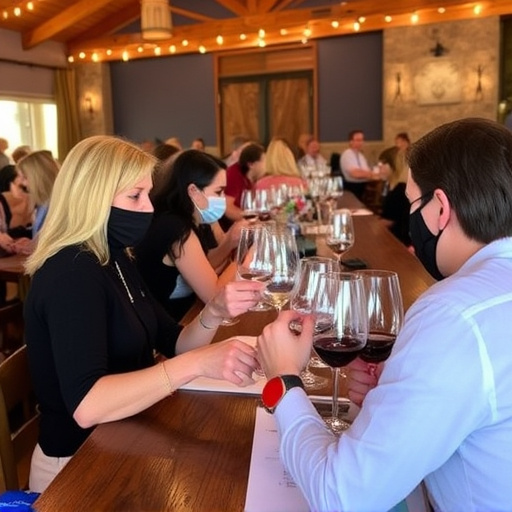
The concept of terroir, a French term meaning “land,” is an essential aspect of wine appreciation and production. It encompasses the unique interaction between a region’s geography, soil composition, climate, and vegetation, all of which contribute to the distinctive flavors and aromas in the final glass of wine. In the case of Sonoita, Arizona, this terroir plays a pivotal role in shaping its renowned wines. The area boasts a distinct microclimate, with hot summers and cool nights, fostering an ideal environment for grapevines to thrive and develop complex flavors.
The soil types found in Sonoita are another critical component. Soils vary from sandy loams to heavier clay-loam mixes, each offering unique nutrient levels and drainage properties that influence the grape’s development. For instance, grapes grown in sandier soils tend to have higher sugar concentrations due to better water drainage, resulting in wines with higher alcohol content. In contrast, clay-rich soils can retain moisture, promoting slower ripening and contributing to more intense flavor profiles. Local wine guides often emphasize the importance of understanding these soil variations during Sonoita AZ wine tasting naturally, as it allows enthusiasts to appreciate the subtle differences between vintages.
Expert guides also highlight how the region’s elevation affects temperature and sunlight exposure. Higher elevations provide cooler air, slowing ripening and preserving delicate flavor notes. This is particularly noticeable in the vibrant fruit flavors and crisp acidity of Sonoita’s red blends. By knowing these terroiral factors, wine lovers can gain a deeper appreciation for the art of winemaking and the unique characteristics that make Arizona wines stand out on a global scale.
A Guide to Choosing the Best Wines from Sonoita
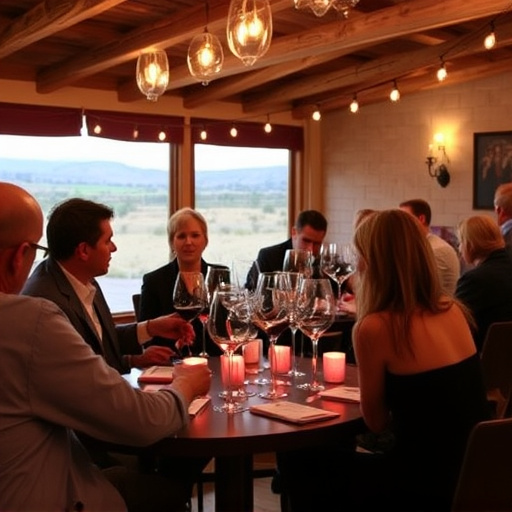
Sonoita, Arizona, is renowned for its distinct terroir, making it a wine lover’s paradise. When exploring Sonoita az wine tasting, understanding the unique characteristics of each vineyard and grape variety is key to selecting exceptional wines. The region boasts a diverse microclimate, with varying elevations and soil types, all contributing to the complex flavors found in local vintages. Expert local guides emphasize that this terroir creates a wide range of aromatic profiles, from intense fruit notes to earthy nuances.
Choosing the best Sonoita wines involves a sensory journey. Start by sampling across different grape varieties like Grenache, Mourvèdre, and Syrah, each offering distinct taste experiences. For instance, a 2021 vintage from a high-altitude vineyard might showcase vibrant raspberry and blackberry aromas, while a lower-elevation wine could reveal deeper, earthy notes of chocolate and spice. Experts suggest paying attention to the balance between acidity, tannins, and alcohol content—a harmonious blend being the hallmark of excellent Sonoita az wines.
Beyond individual preferences, consider the unique expressions each winery offers. Some producers excel at crafting robust, age-worthy reds, while others focus on lighter, fruitier styles. Visiting multiple establishments during your sonoita az wine tasting experience allows for a comprehensive understanding of the region’s capabilities. Remember, the best choices often lie in those that resonate with your palate and reflect the terroir’s diverse stories.
By delving into the world of Sonoita AZ wine tasting, experts have unveiled a rich tapestry of flavors shaped by the region’s unique terroir. Understanding these characteristics is key to appreciating the distinct notes found in local wines. The article has guided readers through Sonoita’s historical evolution, its specialized vineyards, and the profound impact of terroir on taste. Armed with this knowledge, enthusiasts can now navigate the vibrant landscape of Sonoita AZ wine, making informed choices that enhance their tasting experiences. This comprehensive guide enables individuals to truly unlock the secrets hidden within each glass, ensuring a memorable journey through the heart of Sonoita’s wine culture.